The Complete Beginner’s Guide to EV Batteries

Electric vehicle batteries are the technological heart of modern EVs, yet they remain one of the most misunderstood components for new buyers and technology enthusiasts alike. While motors, software, and charging infrastructure receive significant attention, the battery ultimately determines range, performance, cost, longevity, and environmental impact. A clear understanding of how EV batteries work—without requiring an engineering background—is essential for anyone exploring electric mobility for the first time.
At the most basic level, an EV battery stores electrical energy and delivers it to the electric motor when the vehicle is in motion. Unlike the small 12-volt batteries used in traditional cars to power electronics, EV batteries are large, high-voltage systems designed to deliver sustained power over long distances. These battery packs typically operate between 350 and 800 volts, depending on the vehicle architecture. Higher voltage systems allow faster charging and improved efficiency by reducing heat losses.
Most modern electric vehicles use lithium-ion battery technology, similar in principle to the batteries found in smartphones and laptops but far more advanced in scale, safety, and durability. Lithium-ion batteries work by moving lithium ions between a positive electrode (cathode) and a negative electrode (anode) through an electrolyte. During driving, ions flow in one direction, releasing energy. During charging, the process reverses, storing energy back into the battery.
EV battery packs are not single large batteries. They are composed of thousands of individual cells grouped into modules and then assembled into a pack. This modular design improves reliability, thermal control, and manufacturability. If a single cell underperforms, the battery management system can compensate without compromising the entire pack. This architecture also allows manufacturers to scale battery size across different vehicle models using shared platforms.
Battery capacity is measured in kilowatt-hours (kWh), which represents how much energy the battery can store. A 60 kWh battery, for example, can theoretically deliver 60 kilowatts of power for one hour. In practical terms, higher kWh capacity generally means longer driving range. Compact EVs may use 40–50 kWh packs, while long-range sedans and SUVs often exceed 75 kWh. However, capacity alone does not determine range—efficiency, aerodynamics, and driving behavior also play major roles.
Battery chemistry significantly affects performance, cost, and longevity. The most common lithium-ion chemistries used in EVs include NMC (nickel manganese cobalt), NCA (nickel cobalt aluminum), and LFP (lithium iron phosphate). NMC and NCA batteries offer high energy density, making them ideal for long-range vehicles, but they rely on more expensive materials. LFP batteries are cheaper, more thermally stable, and have longer cycle life, though they typically provide lower range per charge. As manufacturing scales and chemistry improves, automakers increasingly tailor battery types to specific vehicle segments.
One of the most important components of an EV battery system is the battery management system (BMS). The BMS monitors temperature, voltage, current, and state of charge at the cell level. It ensures that all cells remain balanced and within safe operating limits. Without a BMS, lithium-ion batteries would degrade rapidly or become unsafe. The BMS also controls charging speed, regenerative braking energy recovery, and power delivery to the motor.
Thermal management is critical to battery health. EV batteries perform best within a specific temperature range. If a battery becomes too hot, it degrades faster; if too cold, performance and charging speed decline. Modern EVs use liquid cooling systems, heat pumps, and active thermal control to maintain optimal conditions. Preconditioning features allow the battery to warm up or cool down before driving or fast charging, improving efficiency and longevity.

Charging behavior plays a major role in battery lifespan. Lithium-ion batteries degrade gradually over time due to chemical changes within the cells. Most EVs experience 1–3% capacity loss per year under typical use. Fast charging generates more heat and can slightly accelerate degradation if used excessively, though modern thermal systems minimize this effect. Keeping daily charging between 20% and 80% rather than constantly charging to 100% helps preserve long-term battery health.
Battery degradation is often misunderstood. Many new buyers fear that EV batteries will fail after a few years, but real-world data shows otherwise. Most manufacturers offer warranties of eight years or 160,000 kilometers, guaranteeing a minimum capacity threshold—usually around 70%. In practice, many EV batteries last well beyond warranty periods with acceptable performance. Unlike phone batteries, EV batteries are engineered for thousands of charge cycles and continuous thermal regulation.
Safety is another frequent concern. EV batteries are designed with multiple layers of protection. Cells are housed in reinforced enclosures, isolated from impact zones, and monitored continuously for abnormalities. In the event of a collision, high-voltage systems automatically disconnect to prevent electrical hazards. While battery fires receive disproportionate media attention, statistical data shows EVs are no more likely—and often less likely—to catch fire than gasoline vehicles.
Battery placement also affects vehicle dynamics. Most EVs mount the battery pack beneath the floor, creating a low center of gravity. This improves handling, stability, and crash safety. The rigid battery structure often contributes to chassis stiffness, enhancing overall vehicle strength. This design is one reason EVs perform well in safety tests.
Environmental impact is a complex topic. Battery production requires mining materials such as lithium, nickel, and cobalt, which has ecological and ethical implications. However, lifecycle analyses from institutions like MIT and the International Energy Agency show that EVs produce significantly lower total emissions over their lifetime compared to combustion vehicles. Battery recycling technology is advancing rapidly, allowing valuable materials to be recovered and reused, reducing the need for new mining.
Second-life applications extend battery usefulness beyond vehicles. After an EV battery is no longer ideal for driving, it can still store energy for stationary applications such as grid storage, solar power buffering, or backup energy systems. These second-life uses improve sustainability and reduce overall environmental impact.
Future battery technology promises major improvements. Solid-state batteries aim to replace liquid electrolytes with solid materials, increasing energy density, safety, and charging speed. Silicon anodes, lithium-sulfur chemistries, and cobalt-free designs are actively being researched. While these technologies are not yet mainstream, they represent the next major leap in EV performance and affordability.
For beginners, understanding EV batteries does not require memorizing chemistry formulas. What matters most is recognizing that batteries are durable, intelligent, and continuously improving systems. They are designed to last, protected by advanced software, and supported by rapidly evolving charging infrastructure. As technology progresses, batteries will become cheaper, lighter, and more efficient, removing one of the final barriers to mass EV adoption.
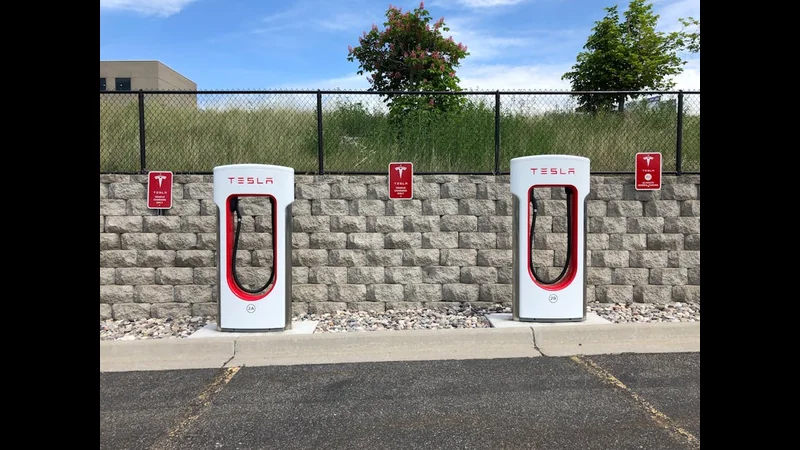
EV batteries are not a limitation—they are the enabler of electric mobility. They define how far you can drive, how fast you can charge, and how sustainable your transportation choice truly is. For first-time buyers and technology enthusiasts alike, understanding EV batteries provides confidence, clarity, and a realistic perspective on the future of transportation.
FAQ
How long do EV batteries last?
Most EV batteries last 8–15 years, with gradual capacity loss rather than sudden failure.
Do EV batteries need replacement often?
No. Replacement is rare and usually unnecessary during normal vehicle ownership.
Is fast charging bad for EV batteries?
Occasional fast charging is safe. Frequent use may slightly accelerate degradation, but modern systems minimize impact.
What happens to EV batteries when they wear out?
They can be recycled or reused for stationary energy storage applications.
Are EV batteries safe in crashes?
Yes. They are heavily reinforced and automatically disconnect during collisions.
Can cold weather damage EV batteries?
Cold temporarily reduces performance but does not cause permanent damage.
Are EV batteries bad for the environment?
While production has an impact, EV batteries significantly reduce lifetime emissions compared to gas vehicles.
Conclusion
EV batteries are the foundation of electric mobility, combining advanced chemistry, intelligent software, and robust safety engineering. For beginners, understanding battery basics removes much of the uncertainty surrounding EV ownership. As technology continues to evolve, batteries will become more efficient, longer-lasting, and more sustainable—solidifying their role as the driving force behind the future of transportation.