The Future of Autonomous Driving Technology

🌍 Introduction: The Road Ahead
Autonomous driving is no longer a distant dream or a concept found only in science fiction movies. By 2025, self-driving technology has progressed rapidly, bringing us closer than ever to widespread adoption. Advances in artificial intelligence, high-precision sensors, real-time cloud computing, and machine learning are transforming how vehicles perceive and navigate the world. As automakers, tech companies, and governments collaborate, autonomous driving is shaping the future of mobility, safety, and transportation efficiency.
⚙️ How Autonomous Driving Works
Autonomous vehicles (AVs) combine multiple advanced technologies to understand their surroundings, make decisions, and move safely without constant human control. The system relies on a combination of sensors, data processing, mapping, and artificial intelligence.
Key Technologies Behind Self-Driving Cars
📡 Lidar & Radar
Lidar uses laser pulses to create a detailed 3D map of the environment.
- Radar measures distance and speed of nearby objects
- performing well in rain
- fog
- darkness.
📷 Cameras & Vision Systems
- Provide visual data to detect lane markings
- traffic lights
- signs
- pedestrians
- other vehicles.
Often paired with AI to interpret complex visual environments.
🧠 AI Algorithms & Machine Learning
Analyze sensor data in milliseconds.
- Make decisions about acceleration
- braking
- steering
- lane changes
- emergency maneuvers.
Learn from millions of miles of real-world and simulated driving.
📶 V2X Communication (Vehicle-to-Everything)
- Enables vehicles to communicate with other cars
- traffic signals
- road infrastructure.
- Improves traffic flow
- reduces collisions
- enhances navigation.
🔁 Redundant Safety Systems

- Backup components for steering
- braking
- power supply.
Ensure that the vehicle remains safe even if one system fails.
These technologies work together to form a “digital driver” capable of understanding road conditions and responding faster than humans in many scenarios.
🧩 Levels of Autonomy (SAE Standards)
Autonomous driving is categorized into five main levels defined by the Society of Automotive Engineers (SAE):
🔹 Level 0–2: Driver Assistance
The human driver is always in control.
- Includes lane-keeping assist
- adaptive cruise control
- emergency braking.
🔹 Level 3: Conditional Automation
The car can handle most driving tasks in specific environments.
The driver can disengage but must be ready to take control when alerted.
🔹 Level 4: High Automation
The vehicle can operate fully autonomously within certain geofenced areas (e.g., city centers or highways).
Human intervention may not be required under normal conditions.
🔹 Level 5: Full Automation
No human driver needed at all.
The vehicle can drive anywhere, anytime, under any conditions.
- As of 2025
- Level 3 and Level 4 vehicles are being tested and deployed commercially
- while Level 5 remains a long-term goal.
💡 Real-World Applications
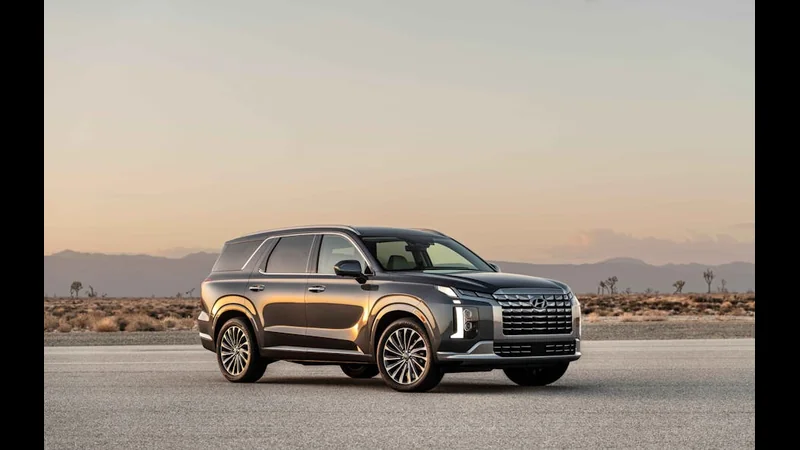
Autonomous driving technology is already influencing several industries:
🚕 Ride-Sharing Fleets
- Companies like Uber
- Waymo
- Tesla aim to deploy autonomous taxis.
Reduces transportation costs and improves accessibility.
📦 Delivery Robots & Vans
- Autonomous vehicles deliver groceries
- packages
- food orders.
Minimizes human labor and speeds up logistics.
🚛 Long-Haul Freight Trucks
Automated trucks help reduce driver fatigue and increase fuel efficiency.
Ideal for long-distance highway routes.
These applications demonstrate that autonomous driving goes far beyond personal vehicles; it is transforming logistics, commerce, and urban mobility.
🔮 Challenges and Considerations
Despite the progress, full-scale adoption of autonomous vehicles still faces major challenges:
🛡️ Safety & Liability
Determining who is responsible in an accident — manufacturer, software provider, or driver — remains unclear.
📜 Legal & Regulatory Barriers
Laws vary between countries and even between cities.
Governments must create standardized rules for testing and deployment.
👥 Public Trust & Ethical Questions
Many people remain skeptical about giving control to AI.
Questions arise about how AVs should behave in unavoidable accident scenarios.
🌐 Infrastructure Requirements
- High-quality road markings
- smart traffic systems
- reliable connectivity are essential for AV performance.
🏁 Conclusion
Autonomous driving is redefining the future of transportation, promising safer roads, reduced traffic, and more efficient mobility solutions. While challenges still exist, the technological foundation is stronger than ever. Over the next decade, we will see autonomous systems expand into everyday life — from ride-sharing fleets to freight logistics — paving the way for a smarter, more sustainable future of mobility.