What Is Torque? Explained for Beginners

Torque is one of the most frequently mentioned yet least understood concepts in automotive engineering. It appears in car specifications, performance reviews, and marketing materials, often alongside horsepower. While horsepower tends to get the spotlight, torque is the force that actually makes a car move. For beginners, understanding torque is essential to understanding how vehicles accelerate, pull loads, and feel responsive in everyday driving—especially in the era of electric vehicles.
At its simplest, torque is a measure of rotational force. It describes how strongly an engine or motor can twist an object—in this case, the vehicle’s wheels. Torque is typically measured in newton-meters (Nm) or pound-feet (lb-ft). One way to think about torque is to imagine using a wrench. The longer the wrench and the harder you push, the more torque you apply to loosen a bolt. In a car, torque is the “twisting force” that turns the wheels and pushes the vehicle forward.
In automotive terms, torque determines how quickly a vehicle can start moving from a stop and how well it can handle resistance, such as climbing hills, carrying heavy loads, or towing. High torque allows a car to accelerate smoothly without needing to rev the engine aggressively. This is why vehicles designed for towing—such as trucks and SUVs—are often advertised with high torque figures rather than high horsepower numbers.
Torque and horsepower are closely related but serve different purposes. Torque represents raw pulling force, while horsepower measures how quickly that force can be applied over time. Horsepower is calculated using torque and engine speed (RPM). In simple terms, torque gets the vehicle moving, and horsepower keeps it moving at higher speeds. A car with high torque but low horsepower may feel strong at low speeds but run out of breath at higher speeds, while a high-horsepower car may require higher RPMs to deliver its performance.
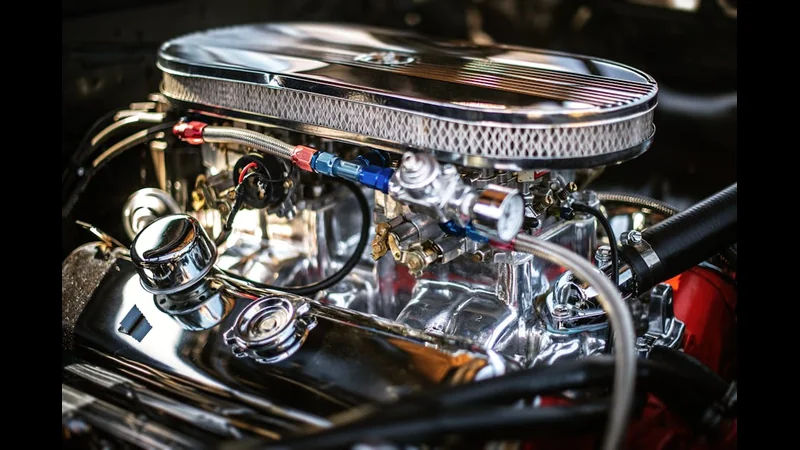
In internal combustion engines, torque varies with engine speed. Gasoline engines typically produce peak torque at mid-range RPMs, which is why gearboxes are necessary. Transmissions keep the engine operating within its optimal torque range by changing gear ratios. When you downshift, you are effectively increasing torque at the wheels to improve acceleration or climb a hill.
Diesel engines are known for producing higher torque at lower RPMs compared to gasoline engines. This characteristic makes diesel vehicles particularly effective for hauling and towing. The trade-off is that diesel engines often have lower maximum RPMs, limiting top-end horsepower. This balance between torque and RPM defines the character of different engine types.
Electric vehicles have fundamentally changed how torque is delivered. Unlike combustion engines, electric motors can produce maximum torque from zero RPM. This means that EVs deliver instant acceleration without the need for gear changes or high engine speeds. When you press the accelerator in an electric car, torque is applied immediately, creating the smooth and powerful acceleration many drivers notice on their first EV test drive. This instant torque is one of the defining characteristics of electric mobility.
Torque at the wheels is what ultimately matters for vehicle movement. Engine or motor torque is multiplied by the transmission and final drive ratios before reaching the wheels. This is why gear ratios are so important. Lower gears increase torque at the wheels, improving acceleration, while higher gears reduce torque but allow higher speeds. In EVs, the wide torque band often eliminates the need for multi-speed transmissions, simplifying drivetrain design.
Real-world driving makes torque more relevant than raw horsepower for many situations. City driving, stop-and-go traffic, overtaking at moderate speeds, and climbing inclines all depend heavily on torque availability. A vehicle with strong low-end torque feels responsive and effortless, even if its horsepower figure is modest. This is why torque is often a better indicator of everyday drivability than peak horsepower alone.
Torque also influences fuel efficiency and energy consumption. Engines that can deliver sufficient torque at lower RPMs do not need to work as hard, reducing fuel use. In EVs, efficient torque delivery minimizes energy losses and improves driving range. Software plays a key role here, managing how torque is applied to balance performance, efficiency, and traction.
Traction control and stability systems carefully manage torque to maintain grip. Applying too much torque too quickly can cause wheel spin, especially on wet or icy roads. Modern vehicles continuously adjust torque output to individual wheels, ensuring smooth acceleration and stability. In performance cars, torque vectoring systems actively distribute torque to enhance cornering and handling.
Understanding torque also helps explain why vehicles feel different even with similar power ratings. Two cars with the same horsepower can deliver very different driving experiences depending on how and when torque is produced. One may feel sluggish until high RPMs, while the other feels strong and responsive from a standstill. Torque curves—graphs showing how torque changes with speed—reveal these differences more clearly than peak numbers alone.
For beginners, it is helpful to think of torque as the force that moves the car and horsepower as how fast that force can be applied. Both are important, but torque is often what you feel first when driving. This distinction becomes even more important as electric vehicles become more common, shifting focus away from engine sound and RPM toward smooth, immediate response.
As automotive technology evolves, torque remains a fundamental concept. Whether generated by pistons or electric fields, torque defines how vehicles interact with the road. It influences acceleration, comfort, capability, and efficiency. Understanding torque demystifies performance claims and helps drivers make more informed choices when comparing vehicles.
Torque is not just a specification—it is the physical force that translates energy into motion. For beginners, grasping this concept opens the door to understanding how cars work at a deeper level. As the industry moves toward electrification and software-defined drivetrains, torque will remain at the center of the driving experience, even as the technology behind it continues to change.

FAQ
What is torque in simple terms?
Torque is the force that turns the wheels and makes a vehicle move.
Is torque more important than horsepower?
They serve different roles. Torque affects acceleration and pulling power, while horsepower affects top speed.
Why do electric cars feel faster?
EVs deliver maximum torque instantly, creating rapid acceleration from a standstill.
Does higher torque mean better towing?
Yes. High torque is essential for towing and carrying heavy loads.
Can a car have high horsepower but low torque?
Yes. Some performance cars rely on high RPMs to generate power, producing less low-end torque.
How does torque affect fuel efficiency?
Efficient torque delivery at low RPMs reduces energy consumption.
Do gearboxes affect torque?
Yes. Gear ratios multiply torque before it reaches the wheels.
Conclusion
Torque is the driving force behind vehicle motion, shaping how a car accelerates, climbs, and responds to driver input. While horsepower defines how fast a vehicle can ultimately go, torque determines how it feels in everyday driving. For beginners, understanding torque provides clarity when comparing vehicles and appreciating why electric cars feel so responsive. As propulsion technologies evolve, torque remains the essential link between energy and motion—making it one of the most important concepts in automotive engineering.