PC vs Console Gaming: Pros and Cons

The debate between PC and console gaming has defined the industry for more than three decades. What started as a simple comparison of hardware performance has evolved into a broader conversation about ecosystems, accessibility, customization, cost, longevity, and the cultural identity of two distinct gaming communities. Both platforms continue to push the boundaries of technology, and the question of which one is “better” has become increasingly nuanced. Today’s landscape features ultra-powerful gaming PCs capable of photorealistic rendering, alongside consoles that deliver highly optimized, plug-and-play experiences backed by massive exclusive catalogs.
This article examines the advantages and trade-offs of PC and console gaming in a comprehensive, technology-focused framework supported by real industry data.
Performance and Hardware Power
One of the most persistent distinctions between PC and console gaming is raw performance. PCs generally dominate in terms of computational capability because they allow users to select and upgrade components such as GPUs, CPUs, RAM, SSDs, and cooling systems. High-tier graphics cards—like NVIDIA’s RTX series and AMD’s Radeon line—support real-time ray tracing, DLSS, and AI-assisted rendering that can push modern titles well beyond console performance ceilings.
Consoles, however, excel at optimization. Because developers know the exact hardware configuration of systems like PlayStation 5 or Xbox Series X, they can fine-tune games at a deeper level. This leads to stable frame rates, consistent visual output, and minimal performance variance across systems. A McKinsey technology insight (Kaynak: https://mckinsey.com
) notes that consoles benefit from “closed ecosystem optimization,” enabling more efficient asset streaming and predictable CPU/GPU load balancing compared to heterogeneous PC builds.
- In broad terms
- PCs win on maximum graphical potential
- while consoles win on predictability and efficiency.
Cost and Long-Term Investment
Cost is one of the defining factors for many players. Consoles provide a low barrier to entry: one purchase, one setup, and no component compatibility concerns. Their fixed hardware ensures a consistent experience for years.
PCs, on the other hand, can range from budget-friendly builds to extremely high-cost enthusiast rigs. The flexibility is an advantage, but it requires knowledge, maintenance, and frequent upgrades if players want to keep up with cutting-edge performance.
However, long-term cost evaluations show mixed results.
PC gaming can become cheaper over time due to:
Seasonal game discounts
Wide access to digital storefronts (Steam, Epic, GOG)
Modding communities extending game lifespan
Backward compatibility with decades-old titles
Consoles incur lower initial costs but may involve higher expenses in the long run due to subscription services, accessory purchases, and limited game price reductions. Still, for players valuing simplicity over long-term optimization, consoles remain the superior value proposition.
Game Libraries and Exclusives
Exclusive titles heavily influence platform choice. Consoles, particularly PlayStation and Nintendo systems, invest deeply in exclusive franchises such as The Last of Us, God of War, Halo, Zelda, and Mario. These titles are major drivers of hardware sales and often leverage the console ecosystem for tailored performance.
- PCs
- meanwhile
- dominate genres like strategy
- simulation
- indie experimentation
- esports. Dota 2
- League of Legends
- Valorant
- Counter-Strike
- Stellaris
- Cities: Skylines are deeply rooted in PC culture. In addition
- PC players gain access to mods
- open-source tools
- custom content not available on consoles.
A Stanford HCI study (Kaynak: https://hci.stanford.edu
) highlights PC gaming as a “creative platform ecosystem,” where players actively modify mechanics, visuals, and systems, driving long-term engagement.
Consoles prioritize curated, cinematic experiences; PCs prioritize depth, flexibility, and community-driven innovation.
User Experience and Accessibility
Consoles win decisively in accessibility. They are built for ease of use:
Plug-and-play setup
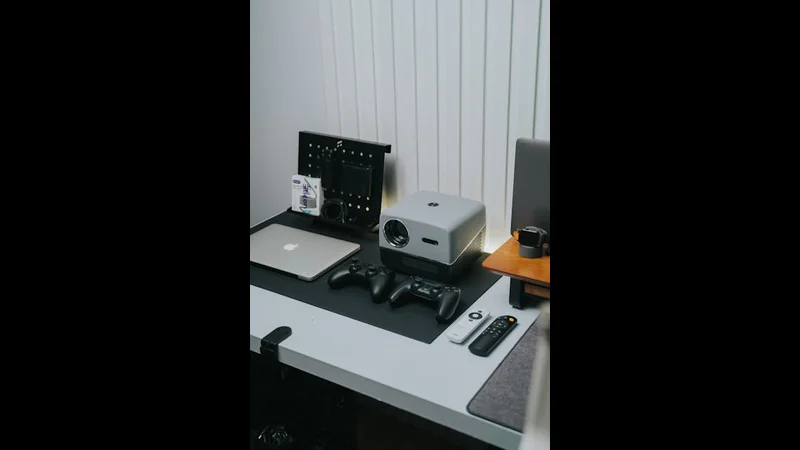
Controller-based navigation
Standardized UI flows
No driver installations or hardware troubleshooting
- PC gaming provides unmatched control over settings
- peripherals
- configurations. Players can customize:
Key bindings
Graphics presets
Multi-monitor setups
High-refresh-rate displays
Ultra-wide aspect ratios
Peripheral ecosystems (flight sticks, racing wheels, VR rigs)
However, this flexibility increases complexity. New players may feel overwhelmed by driver updates, GPU tuning, BIOS settings, and occasional incompatibility issues.
Consoles are frictionless; PCs are limitless.
Online Services and Ecosystem Models
Online infrastructure has become a core component of modern gaming. Consoles use subscription-based ecosystems such as PlayStation Plus, Xbox Game Pass, and Nintendo Switch Online. These provide cloud saves, multiplayer access, and curated rotations of free games.
- PC ecosystems are more decentralized. Steam dominates
- but players may also use Epic Games Store
- Battle.net
- Riot Client
- Ubisoft Connect
- more. Most PC multiplayer games do not require a paid subscription
- which reduces long-term costs.
Game Pass—also available on PC—blurs platform lines by offering high-quality first-party titles at launch. Industry analysis from IEEE (Kaynak: https://ieee.org
) suggests that cross-platform subscription models will continue to unify ecosystems, diminishing historical divides between PC and console gaming.
- Customization
- Modding
- Creative Freedom
PC gaming has always been synonymous with creative freedom. Modding communities have produced some of the industry’s most influential content, from Skyrim’s legendary mod library to fan-made patches, graphical overhauls, and gameplay expansions.
Modding supports:
Extended game lifespan
Community-driven updates
Experimental mechanics

Visual enhancements
Total conversion projects
Consoles are increasingly allowing limited modding (e.g., Bethesda titles), but system restrictions prevent the full flexibility seen on PC. This remains one of the most significant advantages of PC gaming.
Longevity and Upgrade Potential
Console generations traditionally last 6–8 years, after which new hardware is released.
PCs offer incremental upgrades—new GPU here, more RAM there—allowing players to extend performance without replacing the entire system.
This modularity increases PC lifespan but requires ongoing investment and technical literacy.
Which Platform Is Better?
There is no universal answer.
PC gaming offers:
Maximum performance
Extreme customization
Modding capabilities
Genre diversity
Long-term flexibility
Console gaming offers:
Simplicity
Strong exclusives
Predictable performance
Lower entry cost
Comfortable living-room integration
The “better” platform depends entirely on what players value most: accessibility or flexibility, power or affordability, cinematic experiences or creative ecosystems.
FAQ
Is PC gaming more expensive than console gaming?
It can be initially, but long-term costs vary depending on upgrade habits and game purchase patterns.
Do consoles run games more smoothly?
They often run more consistently due to hardware optimization, even if PCs can achieve higher maximum performance.
Are console exclusives coming to PC?
Increasingly yes, but often with delayed releases.
Which platform is better for competitive gaming?
PC dominates esports due to precision controls and higher refresh rates.
Can PCs be used like consoles?
Yes—many players connect PCs to TVs and use controllers for a console-like experience.
Conclusion
The PC vs console debate continues not because one platform is universally superior, but because both ecosystems excel in different areas. PCs represent freedom, performance, and innovation; consoles represent accessibility, consistency, and curated experiences. Understanding the strengths and limitations of each platform helps players choose the ecosystem that aligns with their preferences. As cloud gaming, cross-platform services, and AI-driven optimization continue to reshape the industry, the distinction between PC and console gaming may eventually blur—but the passionate debate is unlikely to fade anytime soon.