How to Choose Your First Programming Language

Choosing your first programming language often feels like standing at a crossroads with too many signs pointing in different directions. Python, JavaScript, Java, C++, Rust—each one promises opportunity, power, and a successful career. Beginners frequently worry that choosing the “wrong” language will waste time or permanently limit their future. In reality, the first programming language is not about perfection—it’s about momentum. In this Q&A-style guide, we break down how to choose your first programming language wisely, confidently, and without unnecessary stress.
The first and most important question beginners ask is: Does my first programming language really matter?
Yes—but not in the way most people think. Your first language shapes how you learn to think about problems, structure logic, and debug errors. However, it does not lock you into a single career path. According to MIT’s introductory computer science materials, the first language primarily teaches computational thinking, not lifelong specialization.
Source: https://ocw.mit.edu
Once that anxiety eases, learners ask: What should I consider before choosing a language?
The best first language depends on four core factors:
your goals
ease of learning
community and learning resources
real-world applicability
Choosing based on hype alone often leads to frustration. Choosing based on purpose leads to progress.
A natural follow-up question is: Should I choose a language based on career goals?
Yes—loosely. If your goal is web development, JavaScript is unavoidable. If you’re interested in data science or automation, Python is an excellent starting point. For mobile development, Swift or Kotlin may come later. However, beginners should prioritize learning fundamentals over chasing job trends.
- Beginners often ask: Is Python the best first language?
- Source: https://cs.stanford.edu
Another common question is: What about JavaScript—should I start there instead?
JavaScript is the language of the web. If you want to build interactive websites, web apps, or full-stack applications, JavaScript is essential. It runs in browsers and on servers (via Node.js), making it extremely versatile. However, JavaScript has quirks that can confuse beginners if fundamentals are rushed.
This leads to: Is Java too hard for a first language?
Java is more verbose than Python or JavaScript, but that verbosity teaches structure and discipline. Java forces beginners to understand types, classes, and object-oriented concepts early. Many universities still teach Java first because it encourages strong software engineering habits.
Another frequent concern is: Should beginners avoid “hard” languages like C or C++?
Not necessarily—but they are less forgiving. Low-level languages expose memory management and system-level details. While powerful, they can overwhelm beginners. These languages are excellent later, once foundational concepts are solid.
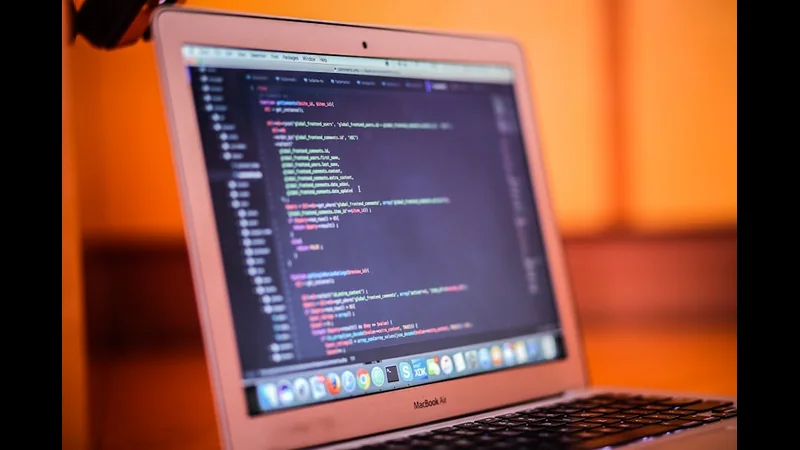
Beginners then ask: What about newer languages like Rust or Go?
Rust emphasizes safety and performance, while Go focuses on simplicity and concurrency. Both are excellent—but not ideal as first languages for most beginners. They shine after you understand core programming concepts.
Another important question is: Does learning one language make learning others easier?
Absolutely. Once you understand variables, loops, functions, conditionals, and data structures, learning new languages becomes dramatically easier. The first language is the hardest; each one after that feels familiar.
People often ask: Should I choose a language based on popularity?
Popularity matters—but not as much as ecosystem and support. A popular language usually means:
better documentation
more tutorials
larger community
more libraries
However, popularity changes over time. Fundamentals remain.
Another question arises: Is it better to start with a dynamically typed or statically typed language?
Dynamic languages like Python allow faster experimentation. Static languages like Java help catch errors early. Both have advantages. Beginners often benefit from dynamic languages initially, then gain deeper understanding by later learning static typing.
Beginners also worry: What if I choose wrong and waste months?
There is no wrong choice if you are coding consistently. Skills transfer. Concepts transfer. Confidence transfers. The real mistake is not starting.
- Another frequent question is: How do learning resources influence language choice?
- Source: https://acm.org
People then ask: Should beginners think about performance early?
No. Performance optimization comes later. Clean logic and correct behavior matter far more in the beginning. Premature optimization often slows learning and creates unnecessary complexity.
Another question appears: Can I switch languages later without starting over?
Yes. Switching languages is normal and expected. Most professional developers know multiple languages. Your first language builds the mental framework that makes switching possible.

Beginners also ask: How do I know when my first language “clicks”?
You’ll know when:
you can solve problems without tutorials
errors feel manageable
you can explain concepts to others
you think in code, not syntax
That’s the moment when learning accelerates.
Another concern is: Should I learn multiple languages at the same time?
No. Focus on one language until you’re comfortable building small projects independently. Multitasking slows progress early on.
People also ask: How long should I stick with my first language?
Usually 3–6 months of consistent practice is enough to build a strong foundation. After that, exploring new languages becomes easier and more enjoyable.
Finally, the most important question: What is the best first programming language, really?
The best first programming language is the one that keeps you coding. Motivation, curiosity, and consistency matter more than syntax. Choose a language that aligns with your goals, has strong learning resources, and feels approachable. Once you start building things, the language becomes secondary to the skills you develop.
⭐ FAQ
Is Python the easiest language for beginners?
For many people, yes—due to its readable syntax and large ecosystem.
Can I start with JavaScript only?
Yes, especially if you’re interested in web development.
Is choosing the wrong language dangerous?
No. Skills transfer across languages.
Should beginners avoid complex languages?
Not avoid—but postpone until fundamentals are strong.
How many languages should a beginner learn first?
One. Master the basics before expanding.
⭐ Conclusion
Choosing your first programming language is less about making a perfect decision and more about starting the journey with confidence. Every popular language can teach you how to think like a programmer, solve problems, and build useful software. By focusing on goals, simplicity, and learning resources, beginners can build momentum quickly. Once the fundamentals are in place, switching languages becomes natural and empowering. The real key is not the language itself—but the habit of coding consistently and thoughtfully.