What Is Open-Source Software and How It Works

Open-source software quietly powers much of the modern digital world. From operating systems and web servers to mobile apps, cloud platforms, and artificial intelligence tools, open-source code runs behind the scenes almost everywhere. Yet despite its ubiquity, many people still ask a fundamental question: What is open-source software, and how does it actually work? In this Q&A-style guide, we explore how open-source software is created, maintained, governed, and why it has become one of the most important forces in technology.
The first question most people ask is simple: What does “open-source” really mean?
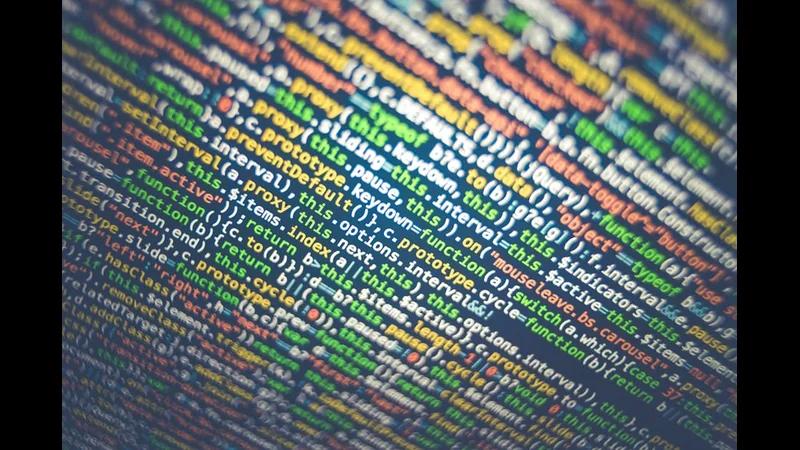
Open-source software is software whose source code is publicly available. This means anyone can view the code, study it, modify it, and share it under specific licensing terms. Unlike proprietary software, where code is hidden and controlled by a single organization, open-source software is built on transparency and collaboration.
- Once that definition is clear, people naturally ask: Why would anyone give software away for free?
- Source: https://ocw.mit.edu
Another follow-up question is: How does open-source software actually get developed?
Open-source projects typically begin with a problem someone wants to solve. A developer creates an initial version and publishes the code in a public repository. Other developers can then contribute improvements, fix bugs, suggest features, or audit the code. Over time, a community forms around the project, guided by maintainers who review and approve changes.
This leads to an important question: Who controls open-source projects if anyone can contribute?
While anyone can propose changes, not everyone can merge them. Most projects have maintainers—trusted contributors who review code, enforce standards, and guide direction. Governance structures vary. Some projects are led by individuals, others by foundations, and some by corporate-backed communities. Clear governance prevents chaos while preserving openness.
People then ask: What role do licenses play in open-source software?
Licenses define how open-source software can be used, modified, and distributed. They protect both creators and users. Some licenses are permissive, allowing broad reuse with minimal restrictions. Others require that modifications remain open. Licenses ensure openness is preserved legally, not just socially.
Another common question is: Is open-source software reliable enough for serious use?
Yes—and often more so than proprietary alternatives. Open-source software benefits from continuous peer review. Bugs and vulnerabilities are discovered and fixed by a global community rather than a closed team. Stanford University’s research on software quality highlights transparency as a major factor in long-term reliability.
Source: https://cs.stanford.edu
Security is a frequent concern. People ask: Isn’t open-source software less secure because attackers can see the code?
Counterintuitively, transparency often improves security. When code is public, vulnerabilities are more likely to be discovered and fixed quickly. Security through obscurity is fragile. Open-source projects rely on many eyes reviewing the code, which strengthens defenses over time.
Another question follows: How do companies make money with open-source software?
There are several models:
offering paid support and consulting
providing hosted or managed services
selling enterprise features
dual-licensing strategies
building ecosystems around open platforms
Open-source does not eliminate business—it changes how value is delivered.
People then ask: What is the difference between open-source and proprietary software?
Proprietary software restricts access to source code and usage rights. Users depend on the vendor for updates, fixes, and direction. Open-source software gives users control and flexibility. They can adapt software to their needs, avoid vendor lock-in, and audit behavior independently.
- Another important question is: Why do large companies contribute to open-source projects?
- Source: https://nsf.gov
People also ask: How does open-source software stay up to date?
Active communities drive updates. Contributors submit changes, maintainers review them, and releases are published regularly. Popular projects often have structured release cycles, automated testing, and continuous integration pipelines to maintain quality.
Another question arises: What role does open-source play in education?
Open-source software is central to learning. Students can inspect real-world code, experiment freely, and contribute to meaningful projects. Many universities encourage open-source participation to teach collaboration, version control, and professional workflows.
People then ask: Is open-source software always free to use?
Most open-source licenses allow free use, but some impose conditions, especially for commercial redistribution. Understanding license terms is important for businesses. Open-source does not mean “no rules”—it means transparent rules.
Another common question: How do open-source communities handle disagreements?
Healthy projects establish codes of conduct, decision-making processes, and conflict resolution guidelines. Open-source communities thrive on respectful collaboration. Strong governance helps manage growth and diversity.
People also ask: What is the role of foundations in open-source?
Foundations provide neutral governance, legal protection, and financial support. They ensure projects remain independent and sustainable beyond individual contributors or companies. Foundations help manage trademarks, licensing, and long-term vision.
Another important question is: How does open-source software scale globally?
Open-source scales through decentralization. Contributors from different countries, cultures, and time zones collaborate asynchronously. Version control systems, issue trackers, and documentation enable large-scale coordination without centralized control.
People then ask: Does open-source encourage innovation or slow it down?
Open-source accelerates innovation by allowing ideas to spread rapidly. Developers build on existing work instead of reinventing foundations. This compounding effect drives faster progress across the entire industry.
Another question arises: What are common misconceptions about open-source software? Some common myths include:
open-source is low quality
open-source lacks support
open-source is only for hobbyists
open-source is insecure
In reality, many of the world’s most critical systems rely on open-source components.
People also ask: How do individuals benefit from contributing to open-source?
Contributors gain real-world experience, improve skills, build professional reputation, and learn collaboration. Open-source contributions often carry significant weight in hiring decisions.
Another thoughtful question is: Can open-source projects fail?
Yes. Projects can lose momentum, maintainers, or relevance. Sustainability requires active communities, funding models, and clear leadership. Open-source is powerful but not automatic.
Finally, the most important question: Why does open-source software matter so much today?
Because it democratizes technology. Open-source gives individuals and organizations access to powerful tools regardless of budget. It promotes transparency, trust, and shared progress. In an increasingly digital world, open-source ensures that critical infrastructure remains open, inspectable, and collectively improved.
⭐ FAQ
What is open-source software in simple terms?
Software whose source code is publicly available for anyone to use and modify.
Is open-source software safe?
Yes, often very safe due to public review and transparency.
Can companies use open-source software commercially?
Yes, depending on the license terms.
- Who maintains open-source projects?
- Communities, individuals, foundations, or companies.
Is open-source software always free?
Usually free to use, but licenses may include conditions.
⭐ Conclusion
Open-source software is one of the most influential movements in modern technology. By opening code to collaboration, it enables transparency, accelerates innovation, and builds resilient digital infrastructure. From education and startups to global enterprises and governments, open-source empowers users to understand, adapt, and trust the tools they depend on. While it requires thoughtful governance and sustainable communities, open-source remains a cornerstone of how software is built today—and how it will continue to evolve in the future.