How Regenerative Braking Really Works

Regenerative braking has become one of the defining technologies of modern electric and hybrid vehicles, transforming the way cars manage energy and enhancing overall efficiency. While traditional brakes simply convert kinetic energy into heat and waste it, regenerative braking captures a portion of that energy and channels it back into the battery. This process not only extends driving range but also reduces wear on mechanical components. Understanding how regenerative braking actually works requires examining the underlying physics, the engineering behind electric motors, and the software systems that control energy flow during deceleration.
The principle behind regenerative braking is rooted in electromagnetic induction. Electric motors can operate in two directions: they can use electricity to create motion, or they can use motion to produce electricity. When a driver lifts their foot off the accelerator, the vehicle’s control system switches the electric motor into generator mode. Instead of consuming energy, it begins to capture the kinetic energy of the spinning wheels and convert it into electrical power. This recovered energy is then directed to the battery pack or, in some systems, to a dedicated capacitor for short bursts of storage.
The intensity and smoothness of regenerative braking depend on several factors, including the motor type, battery capacity, and vehicle software. Most EVs use permanent magnet or induction motors, which offer different efficiency profiles. Permanent magnet motors can typically generate stronger regenerative braking at lower speeds, while induction motors excel at higher-speed recovery. However, the limiting factor is often the battery’s ability to accept charge at varying currents. If the battery is too cold, too hot, or near full, regenerative braking may be reduced to protect the pack’s longevity.
Modern regenerative braking systems use advanced algorithms to optimize energy recovery while maintaining a natural driving feel. Early EVs were criticized for abrupt, unnatural deceleration. Over time, manufacturers refined the software to blend regenerative and mechanical braking seamlessly. Many vehicles now offer adjustable regen modes, allowing drivers to choose between coasting and more aggressive one-pedal driving. This customization enhances efficiency and provides a more intuitive driving experience.
Mechanical brakes still play a crucial role, especially in emergency stops or when maximum stopping power is required. Regenerative braking cannot replace traditional braking entirely because the maximum recoverable energy is limited by factors such as road conditions, tire grip, and motor resistance. In many vehicles, the system automatically blends both braking methods based on speed and pressure applied to the brake pedal. The goal is to achieve consistent, predictable braking without the driver noticing transitions between regenerative and hydraulic components.
One-pedal driving is a standout feature enabled by strong regenerative braking. In this mode, simply lifting off the accelerator slows the car significantly, sometimes bringing it to a complete stop. This increases energy recovery, reduces brake pad wear, and enhances control in stop-and-go traffic. Many EV drivers consider it one of the most enjoyable aspects of electric driving due to its responsiveness and convenience.
Regenerative braking efficiency varies widely across driving scenarios. In city environments with frequent stops, energy recovery rates are high. Vehicles can recapture 10–30% of energy that would otherwise be lost. On highways, regeneration contributes less because braking events are infrequent and speeds are higher. However, descending long hills allows for substantial recovery, which is why EVs often perform better in mountainous regions than some drivers expect.
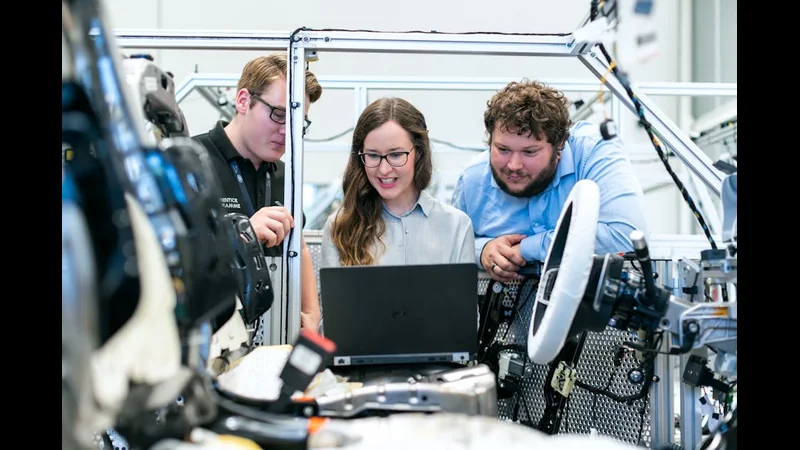
The interface between the motor, inverter, and battery pack is central to regen performance. The inverter plays a critical role by regulating electrical flow between components. It must convert the alternating current produced during regeneration into the correct form to recharge the battery. This process requires precise timing and thermal management because regenerative braking generates heat within both the motor and power electronics. Advanced cooling systems—liquid or air-based—help maintain efficiency and prevent energy losses due to overheating.
Safety is also a significant factor in regen system design. The system must ensure that regenerative torque does not destabilize the vehicle, especially on slippery surfaces. Modern systems integrate traction control, anti-lock braking systems, and stability management to dynamically modulate regen power. When traction is compromised, the software may automatically reduce regenerative braking and apply mechanical brakes to maintain control.
Hybrid vehicles implement regenerative braking differently from full EVs, using both electrical and mechanical powertrains. When braking, hybrids redirect motor-generated electricity to a smaller battery used primarily for boosting acceleration and improving fuel efficiency. This dual system requires careful coordination between the gas engine, electric motor, and transmission. Hybrids typically recover less energy than EVs due to smaller battery capacities and more complex drivetrain layouts, but the efficiency gains remain significant.
Innovations continue to advance regenerative braking technology. Bidirectional inverters, solid-state batteries, and AI-driven energy management systems promise to increase recovery efficiency and create smoother driving dynamics. The integration of predictive braking—using sensors, GPS, and machine learning—allows vehicles to anticipate deceleration events and optimize their energy strategy. These advancements point toward a future where regenerative braking becomes a more intelligent, adaptable part of the propulsion system.
Regenerative braking is reshaping not only how vehicles decelerate but also how we think about energy conservation in mobility. It serves as a clear reminder that efficiency gains are often found in reusing energy that would otherwise be wasted. As EV adoption accelerates and battery technology improves, regenerative braking will continue to evolve, enhancing the sustainability and performance of electric transportation worldwide.
FAQ

How much energy can regenerative braking recover?
Depending on driving conditions, EVs can recover between 10–30% of energy that would otherwise be lost through friction braking.
Can regenerative braking fully stop the car?
In many EVs, yes. One-pedal driving modes allow regenerative braking to bring the vehicle to a complete stop, though mechanical brakes are still needed in certain scenarios.
Does regenerative braking work when the battery is full?
No. When the battery is near full capacity, regenerative braking is reduced to protect the cells from overcharging.
Do mechanical brakes last longer in EVs?
Yes. Because regen handles most everyday deceleration, brake wear is significantly reduced.
Can regenerative braking be adjusted?
Most modern EVs offer adjustable regen settings, allowing drivers to control braking intensity.
Is regenerative braking safe on icy roads?
Yes, but systems may limit regen torque to maintain stability. Software automatically compensates for low traction conditions.
Do hybrids use the same regen system as EVs?
They use similar principles but recover less energy due to smaller batteries and different drivetrain architectures.
Conclusion
Regenerative braking represents a pivotal shift in automotive engineering, transforming braking systems from energy-wasting components into energy-recovering assets. By converting kinetic energy into electricity, it extends range, improves efficiency, and enhances the driving experience. As EV adoption accelerates and vehicle intelligence increases, regenerative braking will continue to evolve, delivering even smarter, more seamless, and more efficient energy recovery in future mobility ecosystems.