Why Electric Vehicles Are Becoming More Popular

Electric vehicles are no longer a niche alternative reserved for early adopters or environmentally conscious drivers. Over the past decade, they have moved decisively into the mainstream, reshaping global automotive markets and redefining how people think about transportation. The growing popularity of electric vehicles is not the result of a single breakthrough, but rather the convergence of technological progress, economic shifts, policy support, and changing consumer expectations. Understanding why EVs are becoming more popular requires examining these forces together—and recognizing why the momentum behind electrification now appears irreversible.
One of the most powerful drivers of EV adoption is rapid technological improvement. Early electric cars were limited by short range, slow charging, and high costs. Today’s EVs offer competitive or superior performance compared to internal combustion vehicles. Advances in lithium-ion battery chemistry have dramatically increased energy density while reducing costs. According to multiple industry analyses, battery prices have fallen by more than 80% over the past decade, making EVs increasingly affordable for mass-market consumers. Longer range, faster charging, and improved durability have eliminated many of the practical barriers that once discouraged buyers.
- FAQ
Cost considerations strongly favor electric vehicles over time. While purchase prices may still be higher in some segments, total cost of ownership often tells a different story. EVs require significantly less maintenance due to fewer moving parts. There are no oil changes, spark plugs, timing belts, or exhaust systems. Regenerative braking reduces wear on brake components, extending service intervals. Electricity is generally cheaper and more price-stable than gasoline or diesel, especially when charging at home. Over several years of ownership, these factors can offset or exceed the initial price difference.
Government policy has been another major catalyst. Many countries and regions have implemented incentives to encourage EV adoption, including tax credits, purchase subsidies, reduced registration fees, and access to priority lanes or parking. At the same time, increasingly strict emissions regulations are pushing automakers to reduce fleet-wide carbon output. Several governments have announced future bans on new internal combustion vehicle sales, signaling a clear long-term commitment to electrification. These policies reduce risk for manufacturers and consumers alike, reinforcing confidence in EV technology.
Environmental awareness has grown significantly, influencing consumer behavior. Transportation is one of the largest sources of global greenhouse gas emissions, and EVs offer a clear pathway to reducing carbon output—especially as electricity grids shift toward renewable energy. Numerous lifecycle studies show that even when charged on fossil-fuel-heavy grids, EVs produce fewer total emissions over their lifetime than gasoline vehicles. As climate change becomes a more immediate concern for individuals, businesses, and governments, EVs increasingly align with personal and institutional sustainability goals.
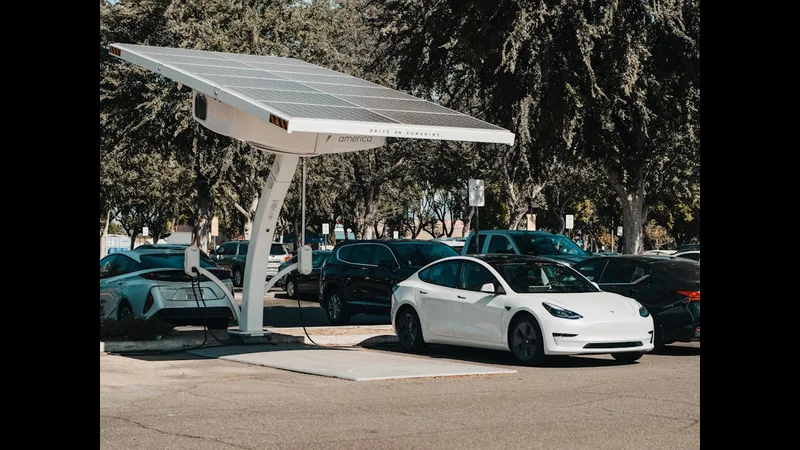
Charging infrastructure expansion has addressed one of the most common early objections to EV ownership. Public fast-charging networks have grown rapidly along highways, in urban centers, and at commercial locations. Home charging has proven to be a key advantage, allowing drivers to start each day with a full battery without visiting a fuel station. Workplace and destination charging further reduce dependence on public infrastructure. While coverage still varies by region, the trajectory is clear: charging accessibility is improving faster than EV adoption itself.
Automakers have embraced electrification as a strategic priority. Virtually every major manufacturer now has a multi-year EV roadmap, with billions of dollars invested in battery production, dedicated EV platforms, and software development. Electric vehicles are no longer conversions of gas-powered models; they are purpose-built from the ground up. This allows better packaging, improved safety, and more interior space. Competition among manufacturers is also driving innovation and lowering prices, accelerating consumer acceptance.
Software and connectivity have become central to the appeal of EVs. Over-the-air updates allow manufacturers to improve efficiency, add features, and fix issues remotely—something traditional vehicles cannot easily match. Infotainment systems, mobile apps, and intelligent energy management enhance the ownership experience. EVs increasingly feel like digital products rather than purely mechanical machines, aligning with consumer expectations shaped by smartphones and connected devices.
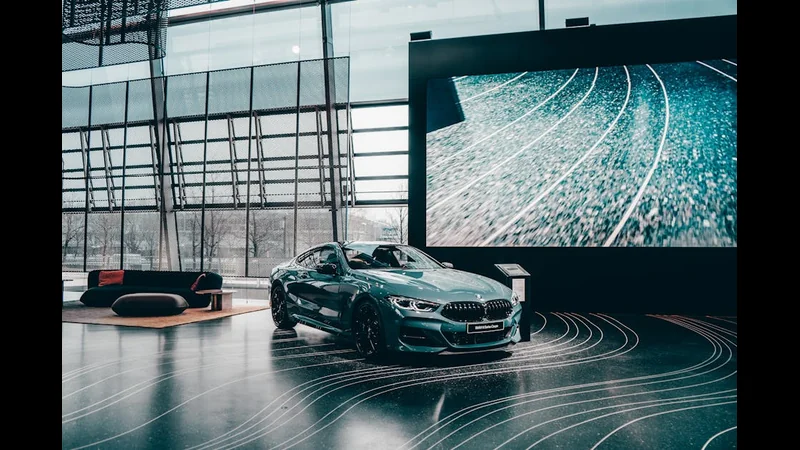
Urbanization trends further favor electric vehicles. Cities worldwide are implementing low-emission zones, congestion charges, and noise regulations that disadvantage combustion vehicles. EVs offer quiet operation and zero tailpipe emissions, making them well-suited for dense urban environments. Electric buses, delivery vans, and ride-hailing fleets are also gaining traction, increasing public exposure to EV technology and normalizing its presence in daily life.
Corporate adoption has added momentum. Many companies are electrifying fleets to meet sustainability targets, reduce operating costs, and comply with environmental regulations. This large-scale demand accelerates infrastructure development and drives down manufacturing costs through economies of scale. As fleet vehicles enter the used-car market after several years, affordable second-hand EVs become available to a broader audience.
Psychological and cultural factors also matter. EVs increasingly symbolize innovation, responsibility, and forward-thinking values. Early skepticism has given way to curiosity and acceptance as EVs become visible on roads everywhere. Social proof—seeing neighbors, colleagues, and family members driving electric—reduces uncertainty and builds trust in the technology. This cultural shift is difficult to quantify but powerful in driving adoption.
Despite remaining challenges such as raw material supply, grid upgrades, and equitable access to charging, the trajectory of electric vehicles is unmistakable. Each year brings improvements in range, affordability, and convenience. The ecosystem surrounding EVs—charging networks, recycling systems, renewable energy integration—continues to mature. What once seemed like a disruptive alternative now looks like the default future of transportation.
Electric vehicles are becoming more popular because they solve real problems while offering a better overall experience. They are cleaner, cheaper to operate, technologically advanced, and increasingly accessible. As innovation continues and scale increases, EVs are not simply replacing combustion vehicles—they are redefining what consumers expect from a car. The shift toward electric mobility is no longer a question of “if,” but “how fast.”
FAQ
Are electric vehicles really cheaper to own?
In most cases, yes. Lower fuel and maintenance costs often outweigh higher upfront prices.
- Do EVs perform better than gas cars?
- Many EVs offer faster acceleration, smoother driving, and quieter operation.
Is charging still inconvenient?
For most owners, home charging makes EVs more convenient than gas vehicles.
- Are governments pushing EV adoption?
- Yes. Incentives, emissions regulations, and future bans on combustion engines support EV growth.
Do EVs help reduce emissions?
Yes. Over their lifetime, EVs typically produce significantly fewer emissions than gas vehicles.
Is charging infrastructure expanding fast enough?
In many regions, infrastructure growth is keeping pace with or exceeding EV adoption.
Will EVs completely replace gas cars?
Over time, yes. Most analysts expect EVs to dominate new car sales in the coming decades.
Conclusion
Electric vehicles are becoming more popular because they align technological progress with economic logic and environmental responsibility. Improvements in batteries, performance, software, and infrastructure have transformed EVs into a compelling mainstream choice. Supported by policy, embraced by manufacturers, and increasingly preferred by consumers, electric vehicles are no longer an alternative—they are the foundation of the future automotive landscape.