The Real Cost of Owning an Electric Vehicle

Owning an electric vehicle is often perceived as either significantly cheaper or prohibitively expensive, depending on who you ask. The reality sits somewhere in between—and understanding it requires looking beyond the sticker price. The real cost of owning an electric vehicle is shaped by a combination of upfront expenses, energy costs, maintenance, depreciation, incentives, and long-term savings. For consumers, fleet operators, and policymakers alike, evaluating EV economics means examining the full ownership lifecycle rather than focusing on a single number.
The purchase price is the most visible cost and often the first barrier for prospective buyers. On average, electric vehicles still carry a higher upfront price than comparable gasoline cars, largely due to battery costs. Batteries remain the most expensive single component in an EV, accounting for 30–40% of total vehicle cost. However, this gap has narrowed dramatically over the past decade as battery prices have declined at scale. Many EV models are now priced competitively within their segments, particularly when government incentives are applied.
In many regions, purchase subsidies, tax credits, and reduced registration fees substantially lower the effective price of an EV. These incentives vary by country and region, but they are designed to accelerate adoption by offsetting higher initial costs. In some markets, incentives can reduce the purchase price by several thousand dollars. While these policies evolve over time, they remain a critical factor in total cost calculations and should always be considered when comparing vehicles.
Energy costs represent one of the most consistent financial advantages of electric vehicles. Electricity is generally cheaper per kilometer than gasoline or diesel, and it is far less volatile in price. Home charging, in particular, offers significant savings. Charging overnight during off-peak hours can reduce per-kilometer energy costs to a fraction of what internal combustion vehicles require. Even public charging, while more expensive than home charging, often remains competitive with fuel costs—especially as fuel prices fluctuate.
The efficiency of electric drivetrains amplifies these savings. Electric motors convert over 85–90% of electrical energy into motion, while combustion engines typically operate below 30% efficiency. This fundamental difference means EVs travel farther on less energy. Over tens of thousands of kilometers, the cumulative fuel savings become substantial, especially for high-mileage drivers or commercial fleets.
Maintenance costs are another area where EVs demonstrate a clear advantage. Electric vehicles have far fewer moving parts than combustion vehicles. There are no oil changes, fuel filters, spark plugs, exhaust systems, or complex transmissions. Regenerative braking significantly reduces brake wear, often doubling or tripling brake component lifespan. Routine maintenance typically consists of tire rotations, cabin air filters, and software updates. Multiple industry studies show that EV maintenance costs can be 30–50% lower over the vehicle’s lifetime compared to gas-powered cars.
Repair costs, however, can be more nuanced. While EVs experience fewer mechanical failures, certain components—such as battery packs or advanced electronics—can be expensive to repair if damaged. That said, battery-related failures are rare, and most EVs are covered by long-term battery warranties, often eight years or more. As EV adoption increases and repair ecosystems mature, parts availability and repair expertise continue to improve, gradually reducing these risks.
Insurance costs for electric vehicles vary widely. In some markets, EV insurance premiums are higher due to higher repair costs, limited repair networks, or expensive components. In other regions, insurers offer discounts for EVs because advanced safety systems reduce accident frequency. The insurance landscape is still adapting to EVs, and costs depend heavily on model, location, and insurer risk assessments.
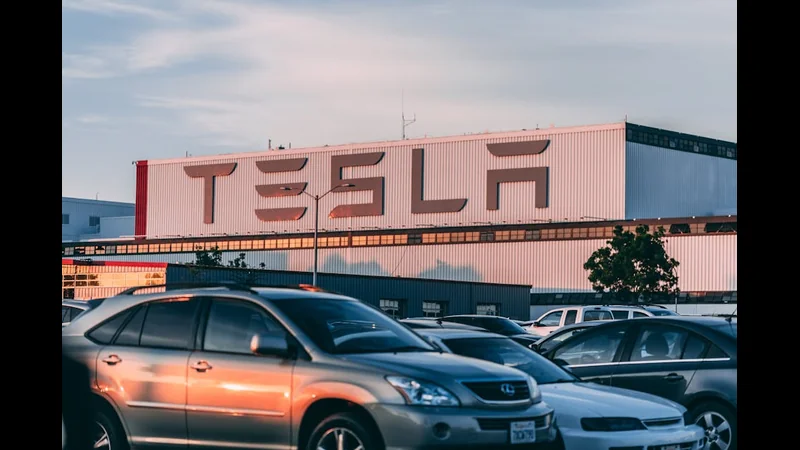
Depreciation is a critical but often overlooked factor in ownership cost. Early-generation EVs depreciated rapidly due to concerns about battery longevity and rapid technological change. Today, depreciation trends are stabilizing as battery durability improves and consumer confidence grows. Vehicles with longer range, fast-charging capability, and strong software support tend to retain value better. However, rapid innovation can still affect resale values, particularly as newer models introduce improved range and features.
Charging infrastructure costs should also be considered. Home charging installation can range from minimal to several thousand dollars, depending on electrical upgrades required. While Level 1 charging may be sufficient for some drivers, many opt for Level 2 chargers for convenience. These installation costs are typically one-time expenses and can often be offset by incentives or utility rebates. Over time, the convenience and lower energy costs of home charging often justify the initial investment.
Time is another cost dimension. While charging at home saves time compared to fueling trips, long-distance travel requires planning and charging stops. Fast charging has reduced this burden significantly, but charging still takes longer than refueling a gas car. For most daily driving patterns, however, this time cost is negligible, as vehicles charge while parked overnight or during work hours.
Environmental and societal costs, while less directly felt by individual owners, increasingly influence policy and consumer decisions. EVs reduce tailpipe emissions, improve air quality, and lower greenhouse gas output over their lifetime. These benefits translate into public health savings and reduced environmental damage, factors that governments incorporate into incentive structures and regulations. As carbon pricing and emissions restrictions expand, combustion vehicles may face increasing financial penalties, indirectly increasing their ownership cost.
Corporate and fleet ownership highlights EV cost advantages even more clearly. Predictable energy costs, reduced maintenance, and high utilization rates make EVs economically attractive for delivery services, ride-hailing fleets, and municipal operations. Many fleets report lower total cost of ownership within a few years, even without subsidies. This commercial adoption further drives economies of scale, benefiting individual consumers as well.
Battery replacement is often cited as a major long-term cost concern, but in practice it rarely materializes during normal ownership. Battery prices continue to decline, and most owners sell or trade in their vehicles long before battery replacement becomes necessary. Second-life and recycling programs further mitigate long-term costs by recovering value from used battery packs.
When evaluating the real cost of owning an electric vehicle, the most important insight is that EV economics are front-loaded. While the initial purchase may appear higher, ongoing costs are consistently lower. Over time, these savings compound, particularly for drivers who charge at home and drive moderate to high annual mileage.
Electric vehicles are not universally cheaper in every scenario, but for a growing majority of drivers, they offer a compelling financial case. As technology matures, incentives evolve, and infrastructure expands, the cost equation continues to improve. The real cost of owning an EV is not defined by a single price tag—it is defined by the balance of expenses and savings across years of ownership.
FAQ
Are electric vehicles more expensive than gas cars?
Upfront prices can be higher, but total ownership costs are often lower over time.
How much do EV owners save on fuel?
Savings vary, but electricity typically costs significantly less per kilometer than gasoline.
Is EV maintenance really cheaper?
Yes. Fewer moving parts and regenerative braking reduce maintenance needs.
Do EV batteries need expensive replacement?
Rarely. Most batteries last the lifetime of the vehicle and are covered by long warranties.
Are insurance costs higher for EVs?
It depends on the model and region. Some EVs cost more to insure, others less.
Does home charging increase costs?
Installation has an upfront cost, but long-term savings usually outweigh it.
Do EVs depreciate faster?
Depreciation has improved as battery technology and consumer confidence have matured.
Conclusion
The real cost of owning an electric vehicle extends far beyond the showroom price. When energy savings, reduced maintenance, incentives, and long-term reliability are considered, EVs often deliver a lower total cost of ownership than traditional vehicles. While individual circumstances vary, the financial case for electric mobility continues to strengthen as technology advances and markets mature. For many drivers, the question is no longer whether EVs make economic sense—but how soon the transition should happen.