The Best Gaming Accessories You Actually Need

The gaming accessories market is filled with flashy products promising instant performance boosts, immersive experiences, and competitive advantages. RGB lighting, aggressive branding, and influencer endorsements often blur the line between what is genuinely useful and what is simply aesthetic excess. For most players—whether casual, competitive, or aspiring esports athletes—the reality is far simpler: only a small set of gaming accessories meaningfully improves performance, comfort, and long-term enjoyment.
This article cuts through the noise to explain which gaming accessories you actually need, why they matter, and how they contribute to better gameplay without unnecessary expense.
Why Accessories Matter More Than Raw Power
While GPUs and consoles define baseline performance, accessories shape how effectively players interact with games. Input precision, comfort, feedback, and consistency are all mediated by peripherals. Poor accessories introduce friction—missed inputs, fatigue, discomfort—that no amount of hardware power can fully compensate for.
Research from Stanford’s Human-Computer Interaction group (Kaynak: https://stanford.edu
) shows that peripheral quality has a direct impact on task accuracy, reaction consistency, and long-session endurance. In gaming, this translates to better aim, faster reactions, and reduced fatigue.
A Reliable Gaming Mouse: Precision Above All
For PC players, the mouse is the most critical accessory. A good gaming mouse does not need dozens of buttons or extreme DPI numbers. What matters is sensor accuracy, consistency, and ergonomics.
Key features that actually matter:
- A modern optical sensor with no acceleration
- Adjustable DPI with reliable tracking (800–1600 DPI is sufficient for most players)
- Comfortable shape suited to your grip style
- Lightweight design for reduced fatigue
- Consistent polling rate (1000 Hz preferred)
High-quality mice improve muscle memory development by delivering predictable movement. IEEE input device studies (Kaynak: https://ieee.org
) confirm that sensor consistency reduces aiming error more than higher DPI values.
A Proper Keyboard: Consistency Over Flash
Keyboards influence responsiveness and comfort more than most players realize. Mechanical keyboards are popular not because they are trendy, but because they provide consistent actuation and durability.
What actually matters in a gaming keyboard:
- Reliable mechanical switches (linear or tactile for most games)
- Anti-ghosting and N-key rollover
- Comfortable key spacing
- Stable build quality
Exotic features such as OLED screens or excessive lighting add little to performance. The real benefit comes from consistent key registration and tactile feedback, especially in fast-paced or competitive titles.
For console players, this category is replaced by controller quality and customization rather than keyboards.
A Comfortable Headset: Information Through Sound
Audio is not just about immersion—it is information. Directional audio helps players locate enemies, track movement, and respond faster.
Essential headset features include:
- Clear stereo or virtual surround imaging
- Comfortable ear cups for long sessions
- Balanced sound profile (not exaggerated bass)
- Reliable microphone clarity for communication
High-end audiophile gear is not required. What matters is positional accuracy and comfort. MIT Media Lab research (Kaynak: https://media.mit.edu
) highlights spatial audio as a key factor in situational awareness during interactive tasks.
A Quality Monitor: The Most Undervalued Upgrade
Many players invest heavily in PCs or consoles while neglecting the display. Yet the monitor defines what you actually see and how quickly you see it.
A good gaming monitor should prioritize:
- High refresh rate (120Hz or higher)
- Low response time
- Stable panel performance
- Appropriate resolution for your hardware
Higher refresh rates reduce motion blur and improve responsiveness, often more noticeably than higher resolution. This is why competitive players overwhelmingly choose 1080p or 1440p high-refresh displays over 4K panels.
Controller Quality and Alternatives
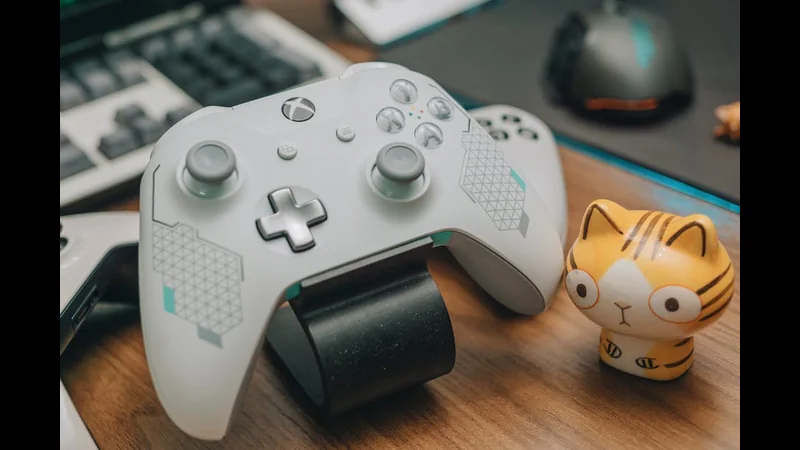
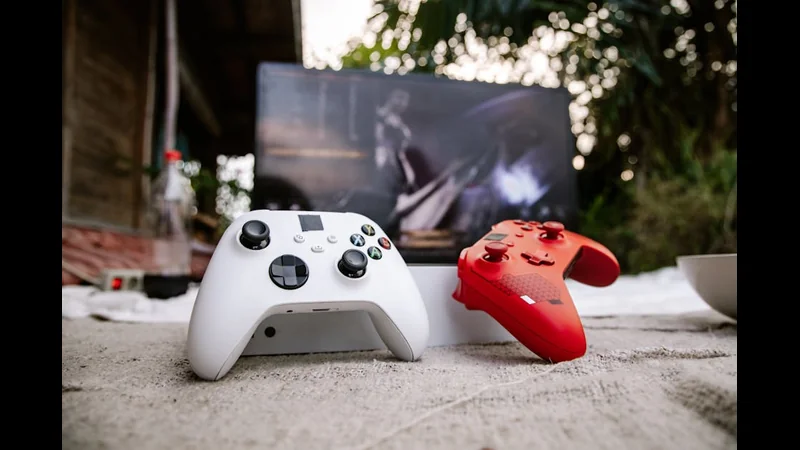
For console gamers—and PC players who prefer controllers—the quality of the controller matters significantly.
Useful features include:
- Responsive analog sticks
- Comfortable grip and button placement
- Low wireless latency or wired option
- Customizable button mapping
Premium controllers offer additional customization such as back paddles or adjustable triggers, which can be valuable in competitive environments. However, standard controllers are already well-optimized for most players.
Mouse Pads and Desk Surface Control
Often overlooked, mouse pads directly affect tracking consistency. A poor surface introduces friction inconsistency, causing micro-errors in aim.
Important considerations:
- Uniform surface texture
- Appropriate size for your sensitivity
- Stable base that does not slip
Different players prefer speed-oriented or control-oriented surfaces, but consistency matters more than brand or appearance.
Ergonomic Chair and Desk Setup
While not traditionally marketed as “gaming accessories,” chairs and desks are critical for long-term performance. Poor posture increases fatigue, reduces focus, and raises injury risk.
An effective setup includes:
- Adjustable chair height and lumbar support
- Desk height that keeps forearms parallel to the ground
- Monitor positioned at eye level
- Relaxed wrist and shoulder posture
Nature Human Behaviour studies (Kaynak: https://nature.com
) link physical comfort directly to sustained cognitive performance in prolonged tasks.
Internet Stability Tools
For online gaming, stability is more important than raw speed. Accessories that improve network reliability include:
- Wired Ethernet connections
- Quality routers with stable firmware
- Proper cable management
Low packet loss and stable latency reduce frustration and improve consistency, especially in competitive multiplayer games.
Accessories You Can Safely Skip
Many popular accessories offer minimal real-world benefit:
- RGB-heavy gadgets with no functional improvement
“Gaming” USB hubs without latency advantages
Ultra-high DPI mice used beyond practical ranges
Decorative stands and mounts without ergonomic value
These items may enhance aesthetics but rarely improve performance or comfort.
Building a Balanced Accessory Ecosystem
The best approach is balance. A few well-chosen accessories outperform a desk full of gimmicks. Focus on items that:
Improve consistency
Reduce fatigue
Provide clearer feedback
Support long-term use
McKinsey’s analysis of esports productivity tools (Kaynak: https://mckinsey.com
) shows that players with fewer, higher-quality peripherals demonstrate better performance consistency than those constantly switching equipment.
FAQ
Do gaming accessories really improve performance?
Yes, especially input devices and displays that reduce friction and latency.
Is expensive gear always better?
No—mid-range, well-designed accessories often outperform overpriced products.
- What should beginners prioritize first?
- Mouse, headset, and monitor quality.
Do console players need extra accessories?
Usually no; standard controllers and headsets are sufficient.
Should I upgrade accessories before hardware?
Often yes—accessories can unlock existing hardware potential.
Conclusion
- a responsive keyboard or controller
- a clear headset
- a high-refresh monitor, and an ergonomic setup form the foundation of an effective gaming environment. By focusing on function over hype, players can build a setup that genuinely enhances performance and enjoyment without unnecessary spending. In gaming, clarity and consistency always outperform excess.