Laptop vs Desktop: Which Is Better Long-Term?

Choosing between a laptop and a desktop is no longer just about portability versus power. In a world where hybrid work is standard, gaming hardware evolves yearly, and AI-driven workloads push systems harder than ever, the long-term implications of this choice matter more than upfront convenience. Performance stability, upgrade paths, thermal behavior, repairability, and total cost of ownership all play decisive roles in determining which platform delivers better value over time.
- This article examines laptops and desktops through a long-term lens
- focusing not on short-term convenience
- but on durability
- adaptability
- sustained performance over years of use.
Performance Over Time: Sustained Power vs Mobility
- At launch
- high-end laptops and desktops may appear comparable on paper. However
- long-term performance tells a different story.
Desktops benefit from:
- Higher sustained clock speeds
- Larger cooling systems
- Greater power delivery capacity
- Fewer thermal constraints
As a result, desktop CPUs and GPUs maintain peak performance for longer periods without throttling. Laptops, constrained by compact designs and shared cooling systems, often reduce performance under sustained workloads to manage heat and power consumption.
- Over years of use
- this gap widens. Thermal degradation
- fan wear
- dust buildup affect laptops more severely
- leading to earlier performance decline compared to desktops.
Upgradeability and Hardware Longevity
Upgradeability is one of the strongest arguments in favor of desktops.
Desktop advantages:
- Replaceable GPUs
- Upgradeable CPUs (within socket lifespan)
- Expandable RAM and storage
- PSU replacement for future hardware
- Modular components
A desktop can evolve incrementally over 6–10 years, extending its usable lifespan significantly.
Laptop limitations:
- GPU and CPU are soldered
- RAM is often non-upgradeable
- Storage upgrades may be limited
- Cooling systems are fixed
Once a laptop’s performance becomes insufficient, replacement is often the only viable option.
Thermal Design and Long-Term Stability
Thermal performance plays a central role in long-term reliability. Heat accelerates component aging, and desktops are inherently better equipped to manage it.
Desktop systems use:
- Large heatsinks
- Multiple fans
- Liquid cooling options
- Spacious airflow paths
- Laptops rely on compact heat pipes and small fans
- which must cool both CPU and GPU simultaneously. Over time
- thermal paste degradation and dust accumulation reduce cooling efficiency
- increasing the frequency of thermal throttling.
Studies referenced by IEEE show that lower sustained operating temperatures correlate strongly with longer semiconductor lifespan—giving desktops a clear long-term advantage.
Repairability and Maintenance Costs
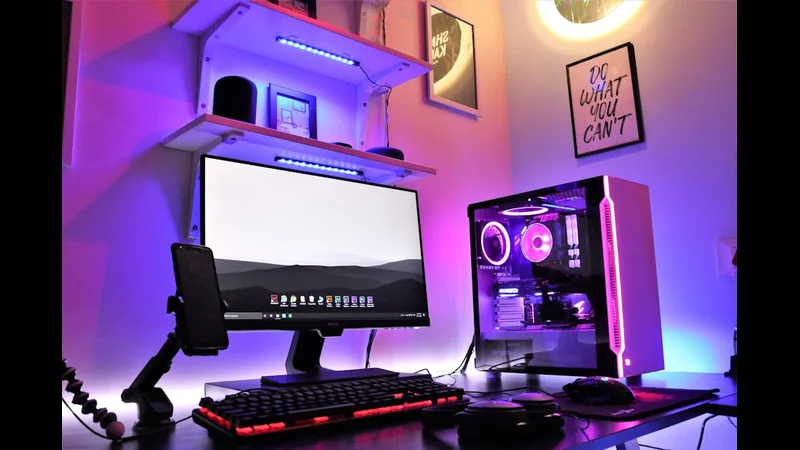
Repairability directly impacts long-term ownership costs.
Desktop repairability:
- Individual components can be replaced
- Standardized parts reduce repair cost
- DIY maintenance is straightforward
- Laptop repairability:
- Proprietary parts
- Integrated components
- Higher labor costs
- Limited availability of replacement parts
Battery replacement alone can become a significant cost for laptops after 2–4 years. In contrast, desktops do not face battery degradation at all.
Total Cost of Ownership
While laptops often appear more affordable upfront, long-term costs tell a different story.
Factors influencing total cost include:
- Upgrade frequency
- Repair expenses
- Performance replacement cycles
- Peripheral reuse
A well-built desktop can remain relevant through multiple upgrade cycles, reducing the need for full system replacement. Laptops typically follow a 3–5 year replacement cycle for performance-focused users.
Over a 7–10 year period, desktops often deliver lower cost per year of usable performance.
Energy Efficiency and Operating Costs
Laptops are significantly more energy efficient. Mobile processors are designed for performance per watt, making laptops ideal for environments where power efficiency matters.
However, efficiency does not always equate to longevity. While laptops consume less power, desktops offer better performance per dollar over extended periods.
For users running intensive workloads daily, desktops may consume more energy—but complete tasks faster, reducing total active runtime.
Gaming and Creative Workloads: A Long-Term Perspective
Gaming and creative professionals place sustained demands on hardware.
Gaming laptops:
- Excellent short-term portability
- Thermal limits reduce long-session performance
- GPU upgrade path nonexistent
- Gaming desktops:
- Stable high frame rates
- GPU upgrades extend lifespan
- Better support for future game engines
- The same pattern applies to content creation
- 3D rendering
- AI workloads. Desktops adapt; laptops age out.
Portability vs Permanence
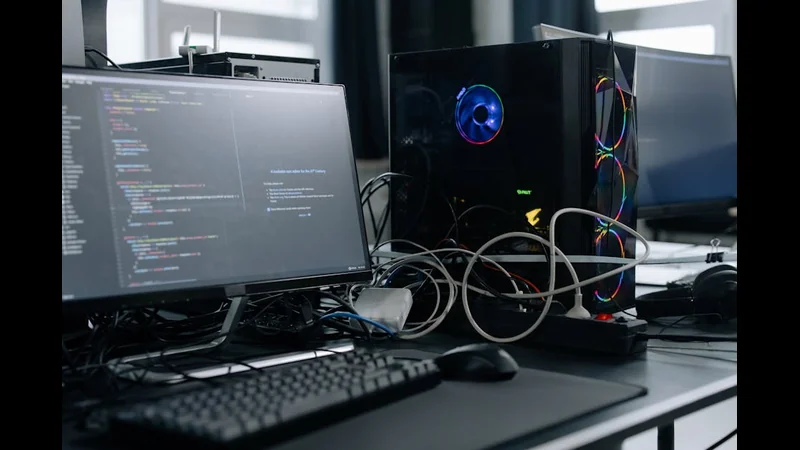
Portability remains the laptop’s greatest strength. For users who travel frequently, work remotely, or rely on flexible workspaces, laptops provide unmatched convenience.
However, portability does not equate to longevity. A desktop paired with a lightweight laptop or tablet often provides a better long-term balance for power users.
Environmental Impact and Sustainability
From a sustainability standpoint, desktops offer advantages due to modularity. Upgrading individual components reduces electronic waste compared to replacing entire systems.
Laptops, with their integrated designs, contribute more heavily to e-waste when they reach end-of-life.
Who Should Choose a Laptop Long-Term?
A laptop is the better long-term choice if:
- Mobility is essential
- Workloads are light to moderate
- Battery-powered operation is critical
- Space is limited
- For office productivity
- education
- general use
- laptops can remain viable for many years with proper care.
Who Should Choose a Desktop Long-Term?
A desktop is the better long-term choice if:
- Performance longevity matters
- Upgradability is important
- Gaming or creative workloads are central
- Repairability and cost efficiency are priorities
Desktops excel in environments where performance consistency and adaptability outweigh portability.
FAQ
Do laptops last as long as desktops?
Generally no. Desktops typically have longer usable lifespans due to better cooling and upgradeability.
Are gaming laptops a long-term solution?
They perform well initially but age faster due to thermal and upgrade limitations.
Which is cheaper long-term?
Desktops usually offer lower total cost of ownership over extended periods.
- Can laptops replace desktops entirely?
- For many users, yes—but not for performance-intensive, long-term workloads.
Is a hybrid setup better?
Often yes—a desktop for power and a laptop for mobility offers the best balance.
Conclusion
When evaluated through a long-term lens, desktops consistently outperform laptops in performance stability, upgradeability, repairability, and cost efficiency. Laptops excel in mobility and energy efficiency but face inherent limitations that accelerate performance decline over time.
The ideal choice depends on how you balance mobility against longevity. For users who value sustained performance and adaptability, desktops remain the superior long-term investment. For those whose priority is flexibility and portability, laptops continue to serve a vital role—just with clearer expectations around lifespan.